
Lies and Bike Lanes in Milan

Milan went through 8 weeks of total Covid-19 lockdown, from March 8 to last Sunday, May 3rd. Did City Hall work on pop-up bicycle lanes in the meantime? Of course not.

But then it became cool. Bogotà was doing it, and Berlin, and Oakland was closing off streets to cars. Somebody got jealous. Milan told The Guardian they had a plan.

On April 21, The Guardian took the bait, well before Milan published their new plan for 35 kms 22 kms of bike lanes, on April 24, or the Strade Aperte plan, on April 30.

Apparently, the story was too good to pass. Or to check. The Irish Times, The Independent, CityLab, The Atlantic, Bloomberg, Fast Company and the BBC all fell for it.

A Lie Can Travel Halfway Around the World While the Truth Is Putting On Its Shoes

– Jonathan Swift

Gisela Méndez, an architect and urbanist from Mexico City, discovered that a year earlier Milan’s mobility manager had promised, but not delivered, 85 kms of new bike lanes.

Disappointed, she published a post aptly titled El día que Milán engañó a todo el activismo ciclista mundial, or The day that Milan misled the whole world’s cycling activism.

I did some further research: on the left, you can see — in light blue, red and purple — the bikes lines approved in late 2018; on the right, what we are getting, in 2020.
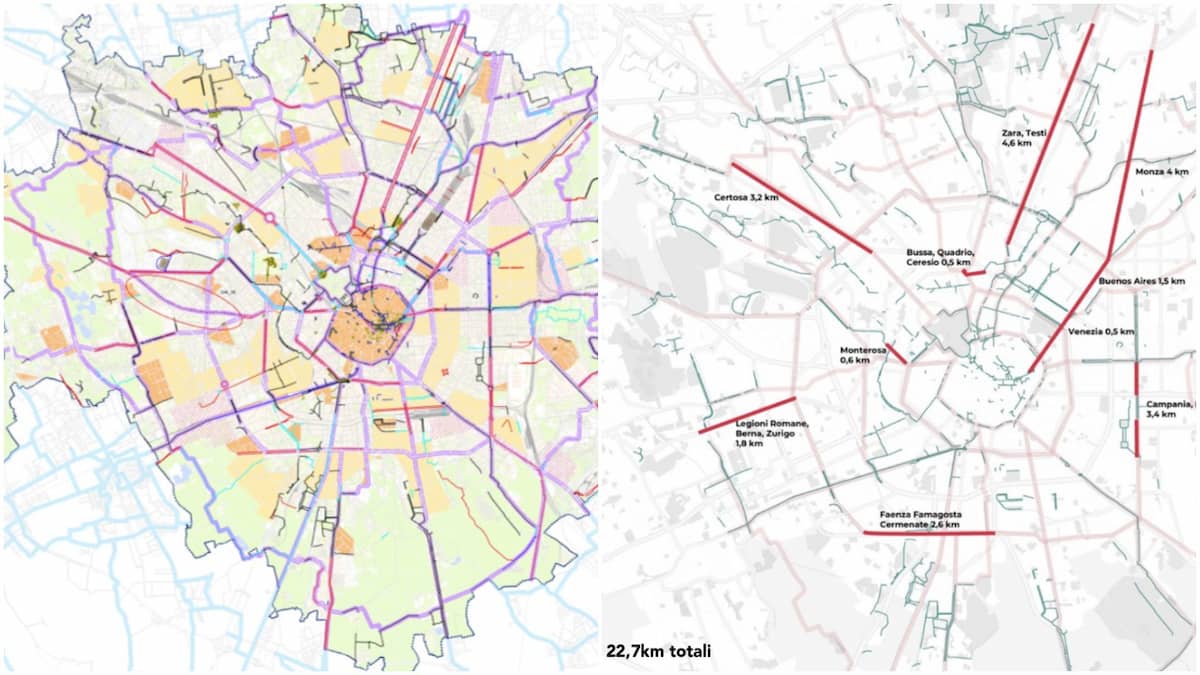
What does the future hold for Milan?

More of the same — more cars! On the day after the article from The Guardian, the city of Milan put its congestion charge and its (formerly) restricted driving zones on hold.

It will be cars, rather than bicycles, that are and always will be welcome in this city.


Links to documents:

Sustainable Urban Mobility Plan, 2018
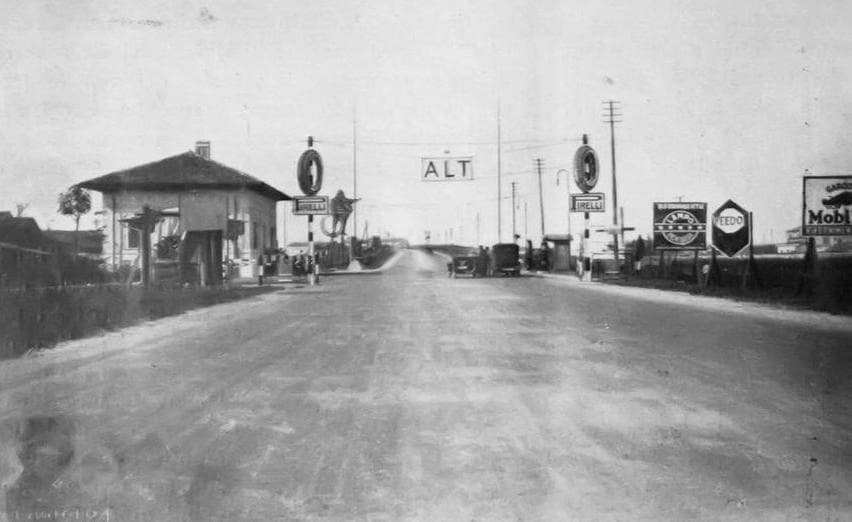
Table 6 of the above mentioned plan

The New Bike Lanes Project, 2020

Te la do io la Silicon Valley

Prima cosa: la Silicon Valley assomiglia un po’ alla periferia nord di Milano.
Ho visto posti più belli, insomma. Soldi, però, ne girano davvero tanti.

Seconda cosa: se vuoi fare soldi nella Silicon Valley, dai retta a me.
Fai come tanti italiani emigranti prima di te: apri un ristorante!

Nel 2000 ho trovato posti nella Valley dove un risotto costava 18 dollari.
Ai tempi, con 36 mila lire dopo l’amaro ti portavi via anche la sedia.

Terza cosa: la Silicon Valley è una corsa all’oro continua, finché dura.
Inventano, diventano un monopolio da loro e poi lo impongono al mondo.

Non lo dico solo io che il monopolio è il modus operandi standard del
capitalismo americano — te lo racconta anche The New York Times.

E come sono bravi a raccontare balle nella Valley, nessuno. Basti dire cosa
ci hanno fatto credere riguardo a sharing economy o smart city…

> Pubblicità: scarica il libro, è gratis!

Repl

Repl è un nuovo ambiente di sviluppo, editor e compiler. Nel browser.
È un prodotto interessante e pare avere dietro le persone giuste.

Cosa succederà?

Faranno di tutto per farlo diventare lo standard fra i programmatori
quindicenni, ragazzi che fra 5 anni prenderanno duecentokappa, come si
dice a Milano, nella #citythatneverstops, come cantava Beppe Sinatra.

A quel punto, giovane aspirante startupparo italiano, anche se non sai cucinare
ti si presenta un’altra opportunità per realizzare il tuo American Dream.

Dai retta a me: metti su un servizio innovativo: washyourunderwear.io

Perché questi baldi giovani che cambiano il mondo per qualche strano
motivo non sanno leggere e capire le istruzioni della lavatrice.

Tu lava le mutande ai giovani, che è come vendere pale durante la corsa all’oro.
Lascia che un altro fesso provi a creare il nuovo Instagram o il nuovo TikTok.

Attivismo digitale

Ci sono poche cose al mondo più inutili del cosiddetto attivismo digitale.

L’idea, insomma, che basti raccogliere firme su Change.org per cambiare il mondo.

Ti ricordi? Negli anni ’90 c’era il popolo dei fax.

Il popolo dei fax era anni luce avanti rispetto ai segaioli digitali.

Per due motivi.

Primo, perché per mandare un fax dovevi se non pagare — di solito lo si faceva dall’ufficio — almeno litigare con la macchinetta, bestemmiare e perdere un po’ di tempo.

E secondo, perchè i fottuti fax davano noia una volta che arrivavano al Quirinale o dove cazzo dovevano arrivare. Per delle ore intere, non si poteva usare il fax.

Chi protesta oggi lo fa da una UI cool, in un secondo e non dà fastidio a nessuno.

Setting the record straight on Milan

Home to iconic brands such as Alfa Romeo, Ferrari, Maserati and Lamborghini — plus Fiat, the company that put the country on wheels, Italy has a deep love affair with cars.

The Autostrada dei Laghi, built in 1924 to connect the city of Milan with Como, Varese and Lake Maggiore, was either the first or one of the very first motorways in the world.

Milan

Milan is home to 1.4 million people and 700,000 cars — considerably more, per capita, than in Amsterdam, Barcelona, Berlin, Copenhagen, London, Paris or Stockholm.

Parking space is insufficient. The guesstimate is that there may be as many as 100,000 illegaly parked cars in the city, for example on sidewalks. It’s rather ugly — Google it!

Continue reading →