Definition of Social Media

This is my bullshit-free definition of social media:

Web properties that amass a ton of users — ideally in the hundreds of millions, track their every move on the platform and give advertisers the opportunity to target them with sponsored posts right in the feed.

It doesn’t matter how users entertain themselves: with memes and photos of cats, keeping contact with long-lost friends and crushes, fighting about politics while trying to sound smart, with sexy photos of themselves, by self-aggrandizing or watching funny videos.

Nor does it really matter whether they are connected to people they know, in which case one should be speaking of social networks, or just with people they find interesting or sexy, celebrities or authorites in a field or just with more of the same funny, dumb videos.

All that matters is that there’s a proprietary platform, free or cheap user-generated bullshit (UGB), a ton of users, serious tracking, an in-house targeting system and the possibility to advertise right in the middle of the feed, or do what they call native advertising.

The Real Zuckerberg

The striking thing about the real Zuckerberg, in video and in print, is the relative banality of his ideas concerning the “Why” of Facebook. He uses the word “connect” as believers use the word “Jesus,” as if it were sacred in and of itself: “So the idea is really that, um, the site helps everyone connect with people and share information with the people they want to stay connected with….” Connection is the goal. The quality of that connection, the quality of the information that passes through it, the quality of the relationship that connection permits—none of this is important. That a lot of social networking software explicitly encourages people to make weak, superficial connections with each other (as Malcolm Gladwell has recently argued), and that this might not be an entirely positive thing, seem to never have occurred to him.

Zadie Smith (2010)

La Russia, Facebook e Trump

Mi fa sempre sorridere, questa storia a tre soggetti: la Russia, Facebook e Trump.

La Russia: e voi se foste stati nei panni di Putin non ci avreste provato?

Facebook: è esattamente così che va usato Facebook. Così è, se vi pare.

Trump: sempre tutta colpa sua, e mai di chi ha scelto Hillary come candidato.

Reportage

Poi arrivano i grandi reportage sul fattaccio, e inizio a ridere per davvero.

Passiamo alle slide:

Hanno comprato “più di 3.500 pubblicità”!

Nell’arco di 2 anni, per dirla tutta.

Più della metà cercavano di seminare zizzania su temi a sfondo razziale!

Eh, fatevi qualche domanda.

Quelle a sfondo razziale hanno generato in totale 25 milioni di impression.

Eh, certo, detto così sembra tanta roba.

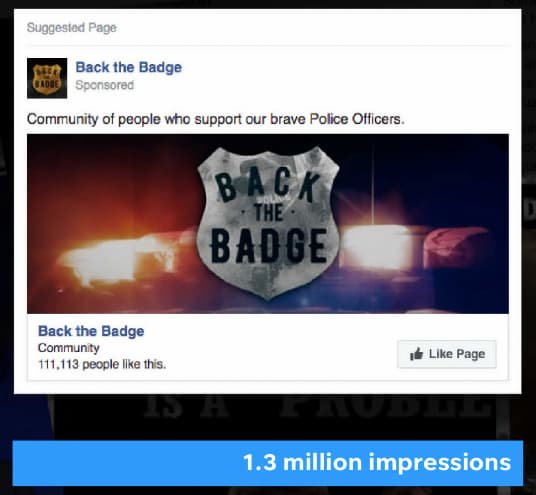
Questa pubblicità ha fatto 1,3 milioni di impression.

Ed è costata in totale 1.800 dollari.

A un CPM (costo per mille impression) medio quindi di 1,38 dollari.

Conclusioni

Se le pubblicità a sfondo razziale erano la metà, possiamo stimare che hanno comprato in totale 50 milioni di impression? Se hanno speso lo stesso prezzo per tutte, parliamo di un investimento di ben 69 mila dollari (cioè meno di 100 dollari al giorno, in due anni).

Ora, se è vero che l’intera campagna per la presidenza degli Stati Uniti, primarie incluse, è costata l’oscena cifra di 5 miliardi di dollari, 69 mila dollari vuol dire che questi cattivoni dei russi hanno speso solamente 1 dollaro per ogni 72.463 dollari spesi in totale.

E secondo qualcuno sono stati loro a far vincere Trump.

Altro che Jim Messina: andate a Mosca a farvi fare le campagne di marketing politico! ;-)

Italo Calvino su Instagram

Dopo Lev Tolstoj su Facebook, eccovi Italo Calvino su Instagram:

Basta che cominciate a dire di qualcosa: «Ah che bello, bisognerebbe proprio fotografarlo!» e siete già sul terreno di chi pensa che tutto ciò che non è fotografato è perduto, che è come se non fosse mai esistito, e che quindi per vivere veramente bisogna fotografare quanto più si può, e per fotografare quanto più si può bisogna: o vivere in modo quanto più fotografabile possibile, oppure considerare fotografabile ogni momento della propria vita. La prima via porta alla stupidità, la seconda alla pazzia.

– Italo Calvino, Gli Amori Difficili